Sunday, March 11, 2018
Brain Freeze Headaches: Mayo Clinic Radio
From: Mayo Clinic https://www.youtube.com/watch?v=upI_hsWQRok

Artificial Liver Program: Mayo Clinic Radio
From: Mayo Clinic https://www.youtube.com/watch?v=vN8ptexooVY
Benefits and Risks of Youth Sports: Mayo Clinic Radio
From: Mayo Clinic https://www.youtube.com/watch?v=be0GT-j-nBg
Opioid epidemic worsening, CDC says
The Centers for Disease Control and Prevention says the opioid epidemic is becoming worse. In 45 states, ER visits for overdoses are up 30 percent -- and there are virtually no signs of it getting better. CBS News correspondent Dean Reynolds reports.
From: http://www.cbsnews.com/video/opioid-epidemic-worsening-cdc-says/
From: http://www.cbsnews.com/video/opioid-epidemic-worsening-cdc-says/
A woman with cancer faces her end
The words "borrowed time" have defined Julie Yip-Williams' life since she was born. She had already surmounted difficulties beyond imagining when, at age 37, she was diagnosed with stage IV colon cancer. Now, she prepares to leave her young daughters behind, passing on lessons of resilience. Tracy Smith reports.
From: http://www.cbsnews.com/video/a-woman-with-cancer-faces-her-end/
From: http://www.cbsnews.com/video/a-woman-with-cancer-faces-her-end/
Saturday, March 10, 2018
Study finds cholesterol drug lowers death risk – but is it affordable?
Major study on drug Praluent might persuade insurers to cover the pricey treatment more often
From: http://www.cbsnews.com/news/cholesterol-drug-praluent-lowers-risk-of-death-and-heart-attack-study-finds/
From: http://www.cbsnews.com/news/cholesterol-drug-praluent-lowers-risk-of-death-and-heart-attack-study-finds/
Changing the conversation around men and mental health
NBA All-Star Kevin Love penned an essay detailing a panic attack that he suffered earlier in the season. Love's article focuses on changing the perception of mental health – not only for athletes, but for everyone. Psychiatrist and author Dr. Gail Saltz joins "CBS This Morning: Saturday" to discuss the importance of talking to young boys about mental health.
From: http://www.cbsnews.com/video/changing-the-conversation-around-men-and-mental-health/
From: http://www.cbsnews.com/video/changing-the-conversation-around-men-and-mental-health/
Friday, March 9, 2018
Mishap may have destroyed frozen eggs and embryos
A hospital fertility clinic in Cleveland, Ohio says some 2,000 frozen eggs and embryos may have been damaged or destroyed when a storage tank malfunctioned. CBS News' Lou Young reports.
From: http://www.cbsnews.com/video/mishap-may-have-destroyed-frozen-eggs-and-embryos/
From: http://www.cbsnews.com/video/mishap-may-have-destroyed-frozen-eggs-and-embryos/
Does hand sanitizer give people a false sense of security?
Hand sanitizing dispensers are stationed everywhere, but experts say some people may be relying on them too often
From: http://www.cbsnews.com/news/does-hand-sanitizer-give-people-a-false-sense-of-security/
From: http://www.cbsnews.com/news/does-hand-sanitizer-give-people-a-false-sense-of-security/
Misleading explanation of benefits statements highlight need for standardization
This is the ninth in the Decoding Dental Benefits series featuring answers and solutions for dentists when it comes to the world of dental benefits and plans. The series is intended to help untangle many of the issues that can potentially befuddle dentists and their teams so that they can focus on patient care.
From: By David Burger
https://www.ada.org/en/publications/ada-news/2018-archive/march/misleading-explanation-of-benefits-statements-highlight-need-for-standardization
From: By David Burger
https://www.ada.org/en/publications/ada-news/2018-archive/march/misleading-explanation-of-benefits-statements-highlight-need-for-standardization
Malfunction Leads to Loss of Frozen Eggs, Embryos
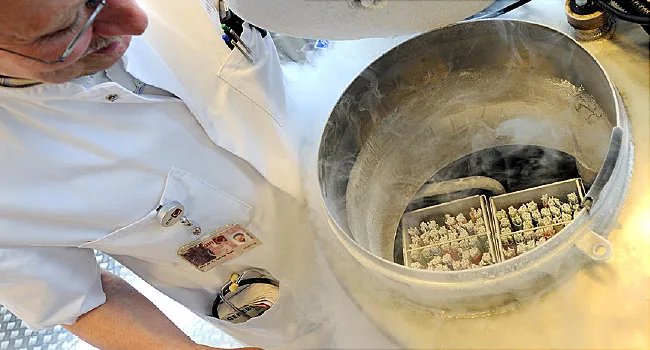
There appears to have been an equipment failure at a long-term storage tank containing liquid nitrogen at the University Hospitals Fertility Center, NBC News reported.
From: https://www.webmd.com/infertility-and-reproduction/news/20180309/malfunction-leads-to-loss-of-frozen-eggs-embryos?src=RSS_PUBLIC
How to Advocate for Friends and Family in Jail and Prison
Recently, the American Diabetes Association requested to join a lawsuit concerning the failure to provide adequate diabetes care to prisoners at the Trousdale Turner Correctional Facility in Tennessee. It is far too common for jails and prisons fail to meet the basic needs of people with diabetes, with horrible consequences for people’s health and well-being.
An essential part of our mission is to advocate for all people with diabetes, no matter their circumstances. People who are incarcerated across the nation too often receive inadequate diabetes care, putting their health and even their lives at risk. It is extremely scary not only for the person with diabetes, but also for their family and friends. In a jail or prison, people often have little or no control over how they manage their diabetes. They are completely dependent on the jail or prison staff to provide their medications (including insulin), blood sugar checks, screening and treatment for complications, and access to visit with a doctor or other health care provider to help them manage their diabetes.
Common issues individuals who are incarcerated face:
Problems with insulin type. It is common for jails and prisons to use an NPH and Regular insulin regimen to treat diabetes—but most people with diabetes don’t use those kinds of insulin. They are used to managing their diabetes with long-acting and fast-acting insulins. This change in insulin can result in fluctuations in blood sugar, including more frequent high blood sugars and sudden low blood sugars. This causes concerns about diabetes-related medical complications, both short- and long-term.
Problems with insulin delivery. Often, for any number of reasons, an individual may not receive a prescribed dose of insulin, may receive an incorrect dose, or may receive a dose at an inappropriate time.
Inability to monitor blood sugar regularly. Most prisons do not allow inmates to carry a blood glucose monitor, meaning that individuals may not know what their blood sugar is at any given time.
Inappropriate nutrition. Whether it’s regular meals that have too many carbohydrates and refined sugars or limited access to commissary, individuals with diabetes often have trouble maintaining a healthy diet and getting the items they need to treat low blood sugar.
How to advocate on these issues:
File grievances. If there are issues with the medical care, you can tell your loved one that they can file a grievance with the jail or prison. The grievance should list and describe the particular problems and request to meet with a doctor or other medical staff to address the problems. It is important to keep a written record of the grievances, and appeal any grievances that are denied.
Request accommodations. If the individual requires more frequent blood sugar monitoring, the opportunity to exercise, modifications to diet or other changes to their daily routine, you can suggest they make a request for reasonable accommodations under the Americans with Disabilities Act. For example, while the facility may have a policy of allowing blood sugar checks at certain times, or a certain number of times per day, the Americans with Disabilities Act requires that jails and prisons make reasonable changes to their policies for individuals with disabilities including diabetes. Make the request in writing. Some facilities have a separate form to make a request for accommodations. Otherwise, use an inmate request form.
Make the problems known. As a family member or friend, you can make a big difference by communicating the needs of your loved one to as many people as possible. Contact the facility’s medical staff, warden and other officials to be sure they are on notice of your loved one’s medical needs, and of any problems with your loved one’s care. If appropriate, you can help your loved one gather medical records from before they were incarcerated that confirm their personal diabetes management needs. If none of that works, you can even contact your elected representatives, including state and federal legislators, your mayor, governor and city council representatives. It is important to be respectful and factual in these communications, to explain what the problems are and what, specifically, needs to be done in order for your loved one to be safe and to receive the accommodations they require.
Ask for help. You can obtain more information about the rights of those who are incarcerated by calling 1-800-DIABETES or emailing askada@diabetes.org. A Legal Advocate will review your questions and provide information that relates to your request.
Interested in learning more? Explore our resources on legal rights to medical care here.
—Post courtesy of ADA Law Enforcement Working Group co-chairs: Sarah Fech-Baughman, ADA Director of Litigation, and Aaron Fischer, Disability Rights California Litigation Counsel
From: American Diabetes Association http://diabetesstopshere.org/2018/03/09/how-to-advocate-for-friends-and-family-in-jail-and-prison/
Social Support Helps Boost Young Cancer Patients
The 204 participants in the study included 102 cancer survivors, 18 to 30 years old, who'd been diagnosed with cancer when they were 15 to 30. The others were the same age as the cancer survivors, but they'd never had cancer.
From: https://www.webmd.com/cancer/news/20180309/social-support-helps-boost-young-cancer-patients?src=RSS_PUBLIC
Kidney Donations Down Among Men and the Poor
The living kidney donation rate among men dropped by 25 percent between 2005 and 2015, but remained stable among women, the researchers found.
From: https://www.webmd.com/digestive-disorders/news/20180308/kidney-donations-down-among-men-and-the-poor?src=RSS_PUBLIC
5 ways daylight saving time messes with your health
Losing an hour of sleep when the clocks "spring forward" can take a surprising toll on your health and well-being
From: http://www.cbsnews.com/news/daylight-saving-time-affects-your-health-wellness/
From: http://www.cbsnews.com/news/daylight-saving-time-affects-your-health-wellness/
Subscribe to:
Posts (Atom)